Song ads: why jingles stick and how we make an original song with AI
What research says about music and memory, which ad songs people remember and why, and how an original song with an animated film gets made in days.
 Magnet Minds
4 November 2026
9 min read
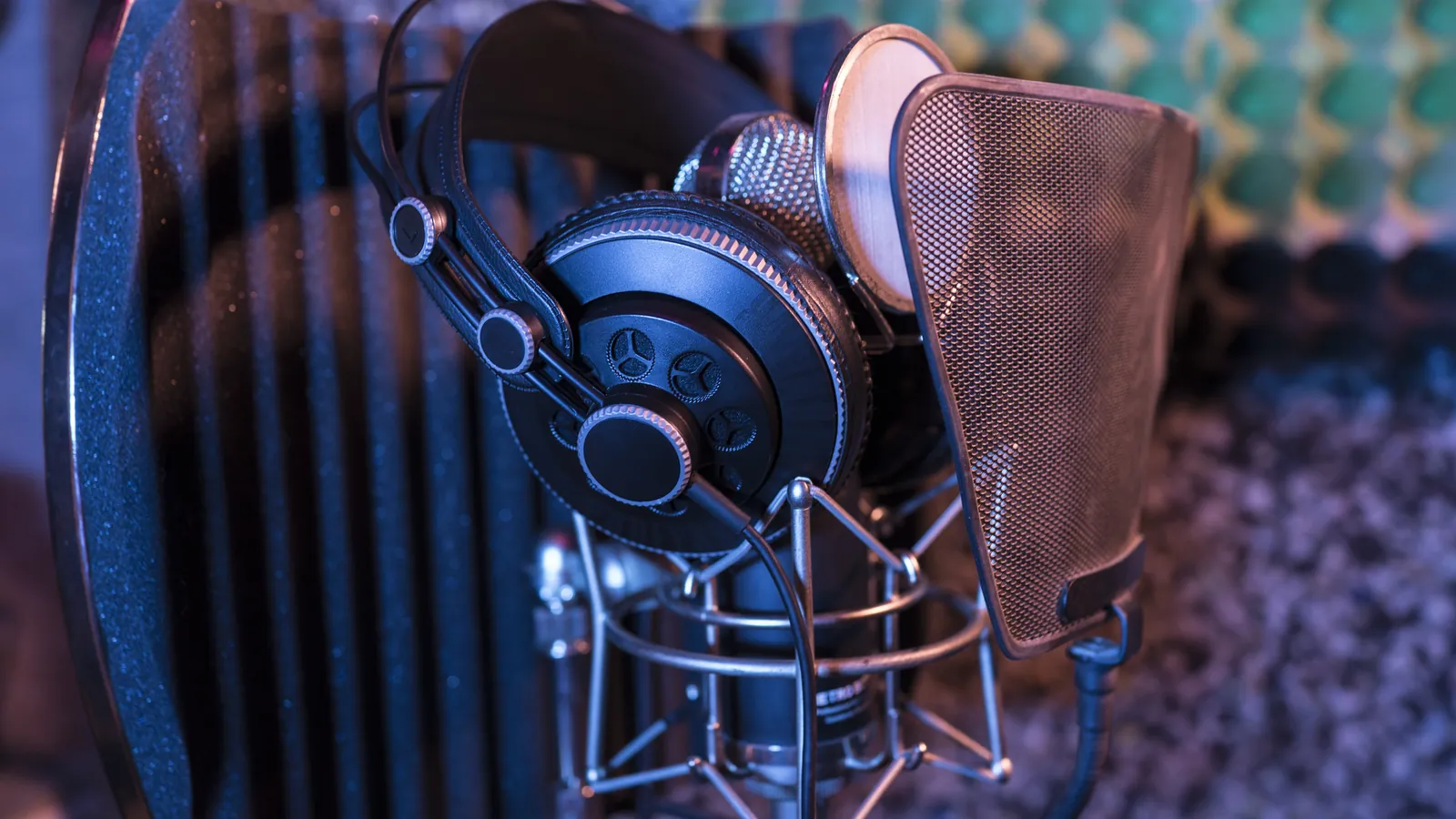 Photo: WillSpirit SBLN, Unsplash via Wikimedia Commons, CC0
A song sticks because melody and repetition give memory something to hang the brand name on. In an Ipsos meta-analysis of 2,015 US video ads, ads with the brand's own sonic cue, like the McDonald's and Intel stings, were 8.53 times more likely to land in the top third for branded attention. Only 6% of ads used one. Today an original song and an animated film to match can be made with AI in days.
- A sung slogan is remembered better than a spoken one. Experiments have shown this since 1991.
- A brand's own sonic cue was the strongest asset in the Ipsos study, yet only 6% of ads used one.
- An AI song ad moves through message, lyrics, music, storyboard, animation, mix and cut-downs.
- A person writes the lyrics. That also helps with the rights.
- A song pays off when the brand can repeat it for months. For a one-off, sound-off promo it rarely does.
Why is a song remembered better than speech?
Three studies explain the mechanism from different angles.
- Music is a memory aid. In 1991 Richard Yalch published two experiments on jingles in the Journal of Applied Psychology. His conclusion: slogans built into a song are remembered better, and music works as a mnemonic device.
- Vocals carry more than instrumentals. David Allan (Journal of Advertising Research, 2006) compared ads using a popular song with its original lyrics, with altered lyrics, as an instrumental and with no music. The sung versions, original or rewritten, won on attention and memory.
- What makes a melody sticky. A Goldsmiths, University of London team asked 3,000 people which songs got stuck in their heads. Those songs tended to be faster, with a familiar melodic shape and one unusual leap or repetition that sets them apart.
Get those three right and the jingle comes back on its own: in the shop, at the shelf, when a child sings it in the car.
Your own song or a famous hit?
The pull of a well-known song is strong: people know it, the mood comes ready-made. Allan's study confirms that a sung popular song wins attention. You only rent it, though: the rights are costly and the tune belongs to someone else. Ipsos compares assets that belong to the brand alone with assets borrowed from wider culture, such as celebrities and music. The ads were tested on category buyers with sound on.
| Element in the ad | Times more likely in the top third | Share of ads using it |
|---|---|---|
| The brand's own sonic cue | 8.53 | 6% |
| A brand character | 6.01 | 14% |
| A consistently used celebrity | 2.84 | 5% (all celebrities) |
| Any audio asset | 3.44 | 8% |
| Music borrowed from culture | 1.20 | 3% |
| Any visual asset (logo, colour) | 1.15 | 92% |
Ipsos concludes that assets belonging only to the brand, like characters and sonic cues, outperform those borrowed from culture. Then add the licence. A famous hit in an ad needs rights from the publisher and the record label, which are rarely cheap or quick. An original song is written for your brand alone, and the rights pass to you under the contract.
Which ad songs do people remember, and what do they share?
When a columnist at the Bulgarian site Jenite.bg ranked her favourite ad songs in 2011, first place went to the Purlan detergent jingle about a child who secretly wears dad's sweater. Second was the Kuku Ruku wafer ("a wonder wafer full of liquid chocolate"), and her top ten also included Gallina Blanca's "bulbuk, bulbuk" and the local Mr. Proper rhyme. Most of these ads left the air long ago, yet people still quote the lyrics word for word.
The global examples are bigger still. McDonald's launched "i'm lovin' it" on 2 September 2003 in Munich as its first global campaign, in more than 100 countries, with Justin Timberlake singing on several English-language spots. Intel's sound mark is five notes composed by Walter Werzowa.
What they share is more useful than the examples themselves:
- The brand name sits inside the melody, usually at the end of a phrase.
- One idea, sung in words a child can repeat.
- Repetition. The song returns in every following ad.
- Often a character too: the boy in the sweater, the chicken, the bald cleaner.
How is a song ad made with AI?
It follows the same path as any AI video ad, with the lyrics and music written before the key frames. Here is our order:
- The message in one line. What should stay in the head after 30 seconds. Usually the brand name plus one reason to pick it.
- The lyrics. A person writes them, a marketer. The name goes in the chorus, the rhythm of the words follows the notes, no tongue-twisters.
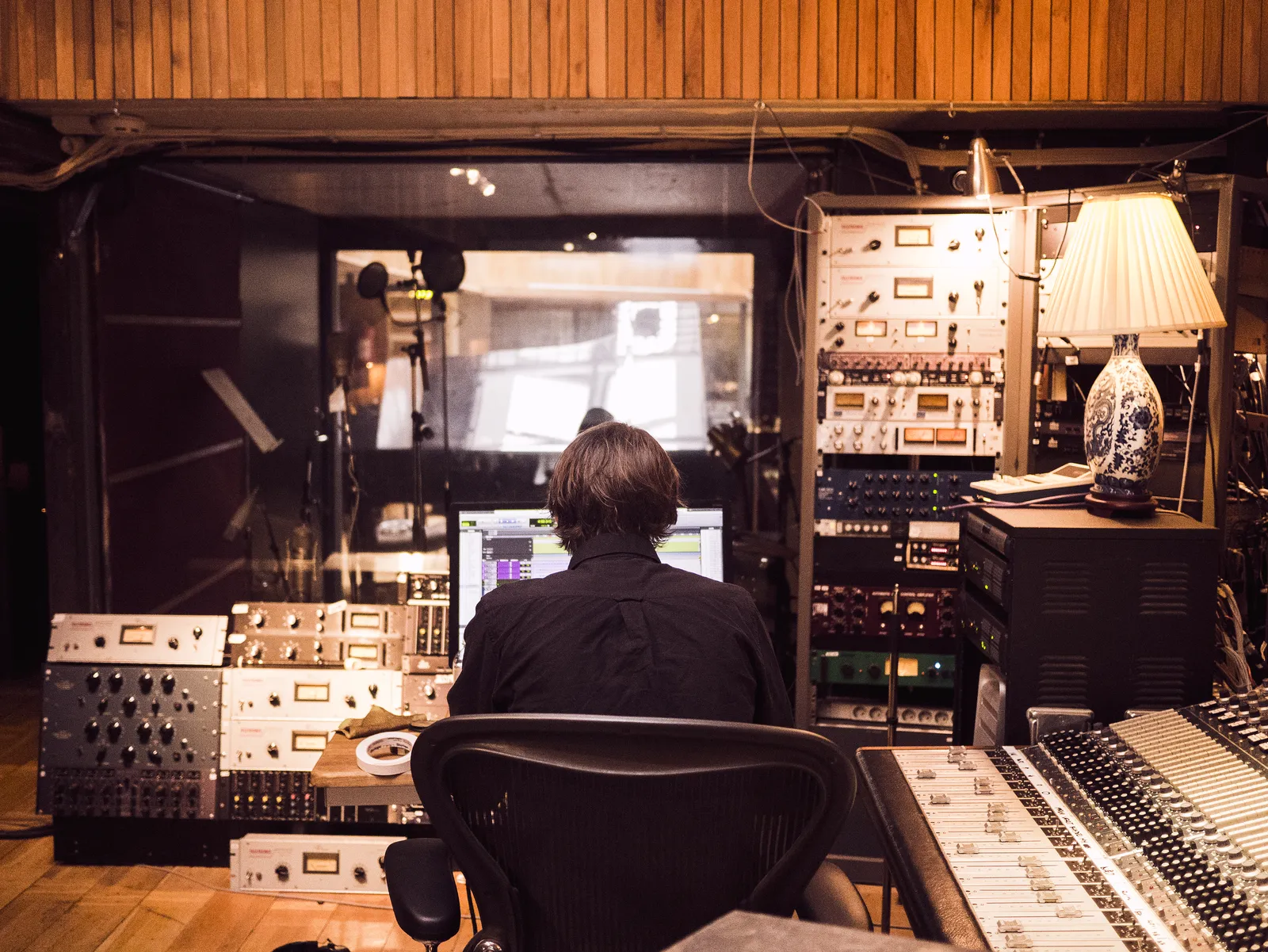
- The music. We generate it with an AI music model licensed for commercial use. We make several versions in different styles and listen to each for correct stress in the target language, because the models still slip.
- Storyboard and characters. Key frames in a Pixar-like style. The characters are invented for the brand and can stay its face for years.
- Animation. Shots are generated and edited to the song: cuts on the beat, lips on the words.
- The mix. Vocals up front, effects under the music, loudness levelled for social platforms.
- Cut-downs. 30, 15 and 6 seconds for TikTok, Instagram, YouTube and TV, plus 2-3 seconds of the chorus as a sonic logo to close every future ad.
The lyrics and the key frames are approved together with the script, before any video exists. To see how the offer is set up, look at the song ad section on the mAInds page.
Who owns a song made with AI?
There are two questions here: may you use it in advertising, and is it protected by copyright?
- The right to use it. That depends on the tool's plan. Suno's help centre, for example, says songs made on the free plan are for non-commercial use only, while songs made on the paid Pro and Premier plans are yours and can be monetised.
- Copyright. In January 2025 the U.S. Copyright Office concluded that prompts alone do not make a person the author of generated output. Human contribution is protected, though, and AI assistance inside an otherwise human work does not block protection. That makes human-written lyrics the safest part of the song. More on rights in AI content is in our guide on who owns an AI video.
This is a general overview. For a specific contract, ask a lawyer. Ask your supplier in writing: which tool and which plan generated the music, who wrote the lyrics, and that the rights to the lyrics transfer to you. Never ask for a song that imitates a real artist's voice or melody.
How much does it cost and how long does it take?
The traditional route has two separate bills: one for the song, one for the film. The benchmarks below come from public price lists and market observation.
| Option | Price benchmark | Timeline |
|---|---|---|
| Sung jingle from a composer, standard ad licence | about €700-2,200 | 1-3 weeks |
| Multi-language campaign with broadcast licence | about €2,200-6,900 and up | several weeks |
| Video from a production company | €2,000-5,000 per video | 4-6 weeks |
| AI song and animated film from one team | per project | script, lyrics and key frames within 3 working days, film within 7 working days of approval |
The jingle prices are Violet Recording's published USD rates, converted to euros as a rough guide. The AI tool itself costs little: Suno's paid plans with commercial rights start below €10 a month. The cost of a song ad sits in the lyrics, direction, animation and edit, so we price it per project, by length and number of characters.
When does a song suit a brand, and when not?
| Good fit | Poor fit |
|---|---|
| Food, drinks, beauty, retail, products for kids and families | A complex product that needs explaining in 15 seconds |
| A short name that is easy to sing | A serious topic: a health condition, loss, a crisis |
| TikTok, YouTube, TV, anywhere sound is on | A campaign that will be watched almost entirely muted |
| Willingness to run the song for months until it becomes the brand's sound | A one-off promo that will never be repeated |
| Seasonal campaigns: Christmas, summer, Black Friday | An ad needed by tomorrow, with no time to approve lyrics |
TikTok is the most natural home for a song ad. In a 2021 Kantar study for TikTok, 88% of users said sound is essential to the platform, and 73% said they would stop and watch an ad with sound. On Meta, where some people watch muted, we put the lyrics on screen as captions so the ad still works in silence.
And one rule for everyone: a song becomes a brand asset through years of repetition, as with Purlan and Intel. Plan it as a sound that will keep coming back in your ads.
Questions
Yes, especially where sound is on. In a Kantar study for TikTok, 88% of users said sound is essential to the platform. The memory mechanism is the same as on TV: melody, repetition and the brand name in the chorus. The difference is length, with 15 and 6 second versions doing most of the work.
You can, if you license it from the publisher and the record label, which is usually expensive and slow. A hit also stays tied to the artist. In the Ipsos data, a brand's own sonic cue was 8.53 times more likely to be among top performers, and it is entirely yours.
Yes. The lyrics are written in your language and the music is generated with vocals in it. Models still get word stress wrong, so we make several versions and listen to each one word by word. A take where the brand name sounds wrong never reaches you.
The right to use it depends on the tool's plan: on Suno, paid plans allow commercial use and the free plan does not. Copyright in fully generated music is limited, so make sure a person writes the lyrics and that the rights to them transfer to you in the contract.
The main version is usually 30 seconds, enough for a verse and a chorus. From it we cut 15 and 6 second versions for social media and 2-3 seconds of the chorus as a sonic logo. That way the song is heard in every future ad, even when the main message changes.
Want a song people hum?
We write the lyrics, make the music and the animated film to match. You see the script, the lyrics and the key frames within 3 working days of the brief, before any video exists.
See the offers- Ipsos: The power of you, why distinctive brand assets are a driving force of creative effectiveness (PDF)
- Yalch, R. F. (1991). Memory in a jingle jungle: Music as a mnemonic device in communicating advertising slogans. Journal of Applied Psychology, 76(2), 268-275
- Allan, D. (2006). Effects of Popular Music in Advertising on Attention and Memory. Journal of Advertising Research, 46(4)
- Jakubowski et al. (2016): Dissecting an earworm, Newswise press release
- Jenite.bg: Our favourite ad songs, 25 November 2011 (in Bulgarian)
- McDonald's: Unveils i'm lovin' it worldwide brand campaign, 2 September 2003
- Intel: Intel sound mark (support article)
- Suno Help Center: commercial use and ownership
- U.S. Copyright Office: Copyright and Artificial Intelligence, Part 2, 29 January 2025
- Violet Recording: How much does a jingle cost, 11 July 2026
- Suno: Pricing
- Social Media Today: TikTok and Kantar on the importance of sound, 9 June 2021